
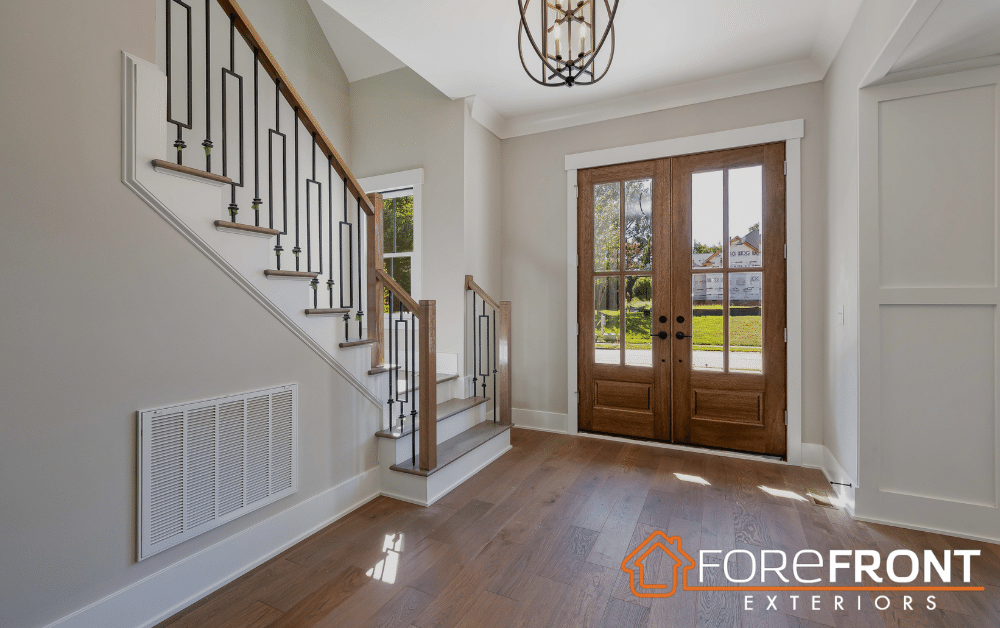
When it comes to enhancing your home’s appearance, security, and value, few upgrades are as impactful as custom doors. Unlike standard options, custom doors are built specifically for your space, style, and functionality needs. But before you dive into the design process, it’s important to understand what goes into planning a successful project. From choosing the right material to avoiding costly measurement mistakes, a custom door project involves more than just picking out a look you love.
In this guide, we’ll walk you through everything homeowners should know before getting started. Whether you’re upgrading your front entryway or designing a custom interior door, these tips will help you avoid surprises and make the most of your investment.
Custom Doors Are More Than Just Size
Design Options Go Beyond Dimensions
Many homeowners think the term “custom doors” only refers to non-standard sizes—but size is just the beginning. Custom doors give you full control over the style, material, finish, hardware, glass inserts, and more. Whether you want a modern pivot door, a rustic wood plank look, or a craftsman-style entry, custom doors can be built to match your home’s unique personality. You’re not limited to the few options available at big-box stores, which makes custom solutions ideal for both new builds and renovations. This flexibility is especially useful for older homes or those with unique architectural elements.
Material Selection Makes a Difference
Custom doors can be crafted from a variety of materials, including solid wood, fiberglass, steel, or even reclaimed materials. Each one comes with its own pros and cons. Wood offers warmth and timeless beauty, fiberglass offers durability with minimal upkeep, and steel provides added security and weather resistance. Choosing the right material impacts everything from energy efficiency to maintenance. A contractor or designer familiar with custom doors can help you select the best fit based on climate, budget, and personal style.
You Can Personalize Every Detail
One of the biggest advantages of custom doors is the ability to customize every component. This includes door panels, trim, glass inserts, stains, paint colors, hinges, and handles. Want a door that swings inward with matte black hardware and frosted glass panels? You can make that happen. This level of personalization ensures your door doesn’t just fit the frame—it fits your lifestyle and taste as well. It also means your door can coordinate perfectly with other design elements on your home’s exterior or interior.
Functionality Can Be Customized Too
Custom doors aren’t just about appearance—they can be tailored to function exactly how you want. You can choose between swing doors, sliding doors, Dutch doors, or even bi-fold configurations. In high-traffic or accessibility-focused areas, you can integrate features like soft-close hinges or wider openings. Customizing functionality is especially helpful for patio doors, oversized front entries, or multi-use spaces where flexibility matters. That kind of thoughtfulness isn’t possible with stock doors, which is why planning ahead is key.
Accurate Measurements Matter
Why Custom Doors Demand Precision
Unlike off-the-shelf doors that are built to standard dimensions, custom doors are manufactured to fit your exact opening. That means every measurement—height, width, depth, and even hinge placement—needs to be accurate to the millimeter. If any measurement is off, the door may not seal properly, swing correctly, or fit at all. This can lead to drafts, misalignment, or costly rework. When you’re investing in custom doors, precision is critical to avoid problems that could compromise both appearance and performance.
Leave Measuring to the Professionals
While it might seem like a simple DIY task, measuring for custom doors is best left to professionals. Door installers understand how to account for things like uneven frames, flooring transitions, and trim thickness—all factors that can affect the final fit. A professional will also know how to check for structural issues like out-of-square openings or warped jambs. Letting an expert take these measurements not only ensures accuracy but also gives you peace of mind when it’s time to order and install.
Framing May Need Adjustments
Sometimes, getting custom doors to fit properly requires modifying the existing framing. This is especially true in older homes where openings may have shifted or settled over time. Custom doors allow for exact sizing, but the opening itself may need prep work—like reinforcing the frame, adjusting the threshold, or adding insulation. A contractor familiar with custom installations can assess your situation and recommend any necessary updates to ensure the door operates smoothly and seals tightly.
Mistakes Can Be Costly and Time-Consuming
Because custom doors are built to order, they usually can’t be returned or exchanged. If the wrong size is ordered due to faulty measurements, it can delay your project by weeks and add unexpected costs. You might need to re-order the door entirely or make framing changes that weren’t originally planned. This is why accurate measuring is one of the most important early steps in any custom door project—it can literally make or break the entire installation.
Budget More Time Than You Think
Custom Doors Take Longer to Build
Unlike stock doors that are ready to ship, custom doors are made to order—crafted from scratch to match your specifications. This production process takes time. Depending on the manufacturer, materials, and complexity of your design, it could take anywhere from 4 to 10 weeks (or more) for your custom doors to be completed. That timeframe doesn’t include shipping or installation, so it’s important to factor in production time early in your planning process.
Design and Approval Add to the Timeline
The timeline doesn’t start the day you order—it starts once you’ve finalized your design. If you’re still deciding between materials, glass styles, finishes, or hardware, that can add a few extra days or even weeks. Some manufacturers offer renderings or proofs before they begin production, and you’ll need to review and approve those. The more changes or revisions you make, the longer the process may take. Being decisive early on helps keep your timeline on track.
Delivery Can Vary by Vendor or Location
Even after your custom doors are built, delivery timelines can vary. Factors like location, carrier schedules, or weather can delay shipments. If you’re working with a local installer or contractor, they may schedule delivery in coordination with your installation date to avoid damage during storage. Make sure to ask how delivery is handled and if it affects your overall project schedule. Some companies offer expedited options, but those can come at an added cost.
Plan for Installation Delays or Prep Work
Once your custom doors arrive, you may still need to schedule installation—and that’s another part of the timeline to consider. Skilled installers often book out weeks in advance, and you’ll want someone with experience handling custom work. Also, if any framing adjustments or additional prep is needed, that work must be completed before the door can be installed. Planning for buffer time between delivery and installation can help you avoid unnecessary stress or last-minute surprises.
Choose Materials Based on More Than Just Looks
Different Materials Serve Different Needs
When selecting custom doors, your choice of material does more than define appearance—it affects durability, insulation, security, and long-term maintenance. Wood offers warmth and traditional style but requires regular upkeep to protect against moisture and warping. Fiberglass mimics the look of wood but resists dents, moisture, and temperature changes, making it great for exterior use. Steel doors are extremely strong and secure but can be prone to surface rust if not properly coated. Each material has its advantages, and the best one depends on your home’s climate, style, and traffic patterns.
Consider Energy Efficiency
Custom doors can improve your home’s insulation, but only if you select the right materials and construction. Solid-core options, foam-insulated fiberglass, or steel doors with thermal breaks all provide superior energy performance. If you live in an area with extreme temperatures, energy-efficient doors can help regulate indoor comfort and reduce utility bills. Ask your contractor about energy ratings or certifications that apply to the materials you’re considering.
Maintenance Requirements Vary
Every door material has its own level of required care. Wood doors typically need to be resealed or repainted every few years, especially if exposed to direct sunlight or rain. Fiberglass and steel options, on the other hand, are more resistant to weather and require only occasional cleaning. When planning your custom doors, think long-term—choose a material that fits your willingness to maintain it over time. This will ensure your door continues to look great and perform well for years to come.
Match Material to Location and Purpose
The location of your custom doors should also guide your material selection. For example, a front entry door may need a combination of beauty, strength, and weather resistance, while interior doors can prioritize design and acoustics. Patio doors may need large glass panels, but also strong seals and smooth sliding operation. Discussing your needs with an experienced installer or designer will help you balance form and function based on where the door will be used.
Don’t Skip Permits or HOA Approvals
Some Custom Doors Require a Permit
Depending on where you live and the scope of the project, installing custom doors—especially exterior ones—may require a building permit. This is typically the case when you’re altering the size of the opening, changing the structure around the door, or modifying the exterior of your home. Permits ensure that the installation meets local building codes for safety, energy efficiency, and structural integrity. Skipping this step can lead to fines, forced removal, or complications during future home sales.
Check With Your Local Municipality First
Before placing your custom door order, it’s wise to contact your local building department to ask whether a permit is needed. Each city or county has its own regulations, and even small changes—like switching materials or adjusting framing—can trigger permit requirements. Getting clear answers upfront will help you plan your timeline and budget accurately. It also helps ensure that you’re not caught off guard halfway through the project.
HOAs May Have Style or Color Restrictions
If you live in a neighborhood with a homeowners association (HOA), you’ll likely need approval before changing your front door. Many HOAs have strict rules about exterior appearances to maintain community aesthetics. They may limit your choice of color, material, or even the style of your custom doors. Failing to get approval can result in fines or a demand to remove and replace the door, even if it’s brand new.
Get Approvals Before You Order
Because custom doors are made to order and typically not returnable, it’s crucial to get all necessary permits and HOA approvals before you finalize the design. Once the door is in production, changes are difficult and costly. Taking care of approvals upfront prevents delays, protects your investment, and ensures a smooth, stress-free installation process.
Professional Installation Makes All the Difference
Custom Doors Require Skilled Handling
Custom doors are precision-built, which means they also require precise installation. Unlike standard doors, they don’t allow much room for error—measurements, leveling, and hardware placement must be spot-on. Even a small misalignment can cause the door to stick, squeak, or fail to seal properly. Because of this, it’s essential to hire a professional installer who has experience specifically with custom doors, not just general carpentry.
Proper Framing and Sealing Are Critical
The installation process often involves more than simply hanging the door. Your existing framing may need adjustments to ensure the door fits squarely and functions properly. A skilled installer will also make sure the threshold, weatherstripping, and insulation are all properly sealed. This helps prevent drafts, moisture intrusion, and energy loss—especially important for entry doors. Without these steps, even a high-quality custom door won’t perform the way it should.
Quality Installation Protects Your Investment
Custom doors are a significant investment in your home’s beauty, function, and security. Poor installation can undermine all of that. Warping, uneven gaps, or failed hardware can shorten the life of the door and cause repeated service calls or repairs. Choosing a professional who understands the value of custom doors ensures that the installation matches the quality of the product. In many cases, improper installation can also void the manufacturer’s warranty.
You’ll Get Better Results—and Less Stress
Hiring a professional for your custom door installation doesn’t just ensure better results—it also gives you peace of mind. From handling delivery to cleanup and final adjustments, an experienced installer knows what to expect and how to handle challenges. They’ll make sure the door operates smoothly, seals properly, and enhances your home exactly as planned. That level of confidence is hard to beat and well worth the investment.
Conclusion
Custom doors are one of the best ways to elevate your home’s appearance, efficiency, and overall value—but they require more planning than most people expect. From design decisions and material selection to measurements, approvals, and installation, every step matters. Taking the time to understand the process up front helps you avoid costly mistakes and ensures your custom doors deliver exactly what you’re looking for.
Whether you’re replacing your front entryway or upgrading your interior layout, working with professionals can make the experience smoother, faster, and stress-free. If you’re ready to start your custom door project, make sure you do it the right way—from the first measurement to the final swing.