
When most homeowners think about siding, they often picture curb appeal and exterior durability. But siding does much more than make your house look attractive—it also plays a role in creating a comfortable living space. Modern siding materials and installation techniques provide benefits beyond protection from the elements. One of the most overlooked advantages is sound insulation. For families living near busy roads, airports, or loud neighborhoods, choosing siding with strong sound insulation qualities can dramatically improve indoor comfort.
Why Siding Plays a Role in Sound Insulation
How Sound Travels Through Walls
Sound moves through air and solid materials, which means outdoor noise can pass into your home through walls and siding. Traditional, thin siding offers very little sound insulation, allowing unwanted noise to disrupt your peace. By upgrading your siding to denser or insulated materials, you can significantly reduce this sound transfer.
Why Material Density Matters
The density of siding materials has a direct impact on sound insulation. Lightweight vinyl or aluminum may block some noise, but denser materials such as fiber cement or cedar provide better sound absorption. The more mass siding has, the harder it is for vibrations from sound waves to pass through into your home.
Thermal and Acoustic Benefits Combined
Sound insulation and thermal insulation often go hand-in-hand. Siding that reduces sound transfer usually also improves energy efficiency by creating a stronger barrier between the inside and outside. This dual benefit makes new siding one of the most effective upgrades for homeowners who want to boost both comfort and performance.
Best Types of Siding for Noise Reduction
Insulated Vinyl Siding
Insulated vinyl siding comes with foam backing that improves both energy efficiency and sound insulation. The foam helps absorb vibrations and reduces how much noise passes through your walls. This makes insulated vinyl an affordable choice for homeowners looking for better performance without sacrificing appearance.
Fiber Cement Siding
Fiber cement is dense, durable, and heavy—qualities that make it excellent for sound insulation. Its weight and solid structure block a wide range of noise frequencies, including the lower tones of traffic or construction equipment. Beyond sound control, fiber cement siding also resists fire, insects, and rot.
Cedar, Ship Lap, and Shake Siding
Natural wood options like cedar planks, ship lap, and shakes offer moderate sound insulation because of their density and irregular textures. They diffuse and absorb sound better than hollow materials, creating a quieter interior. However, for maximum sound insulation, these materials should be paired with quality underlayment and proper sealing.
Composite and Stucco Siding
Composites and stucco panels are also strong contenders for sound insulation. Stucco’s continuous, rigid surface reduces sound penetration significantly, especially for higher frequency noise. Composite siding, often a mix of polymers and other materials, combines durability with effective noise dampening.
How Proper Installation Improves Performance
The Importance of Underlayment
Underlayment is a critical factor in maximizing sound insulation. A high-quality underlayment installed beneath siding creates an extra sound barrier, helping to absorb vibrations before they reach interior walls. Without this step, even premium siding won’t perform to its full potential.
Adding Insulation Boards
Foam or mineral wool insulation boards can be added during siding installation to further improve sound insulation. These boards increase wall thickness and density, making it harder for sound waves to travel through. Combined with modern siding, insulation boards can make a dramatic difference in home quietness.
Sealing Gaps and Cracks
Even the best siding fails at sound insulation if it’s not sealed properly. Gaps around windows, doors, and trim allow noise to leak inside. Professional installation ensures all seams and joints are sealed, which enhances both sound insulation and energy efficiency.
Professional Installation Matters
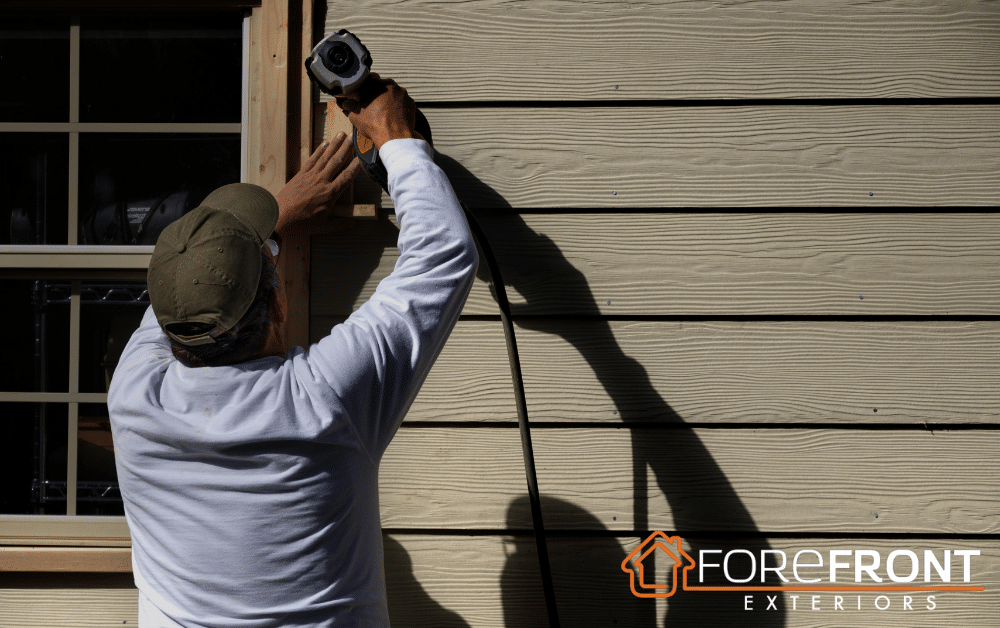
Sound insulation depends on precise workmanship. Professionals know how to layer siding, underlayment, and insulation correctly to maximize effectiveness. Homeowners who want guaranteed noise reduction should always invest in qualified siding contractors.
Beyond Noise—Comfort Benefits of New Siding
Lower Energy Costs
New siding with strong sound insulation properties also improves energy efficiency. By reducing air leaks and improving wall insulation, you’ll enjoy lower heating and cooling bills. This makes siding an investment that pays off in multiple ways.
Moisture and Draft Control
Along with sound insulation, siding protects against drafts and moisture infiltration. A sealed exterior prevents humid air or cold winds from sneaking inside, keeping indoor conditions stable and comfortable. This helps preserve indoor air quality and prevents mold growth.
Curb Appeal and Resale Value
Siding with sound insulation benefits also enhances curb appeal. Modern siding products come in a wide range of colors, textures, and finishes that make your home look attractive. When combined with the practical benefit of a quieter, more efficient home, new siding can significantly boost resale value.
Whole-Home Comfort
Sound insulation contributes to an overall sense of comfort. With reduced traffic noise, fewer outside disturbances, and better climate control, your home becomes a peaceful retreat. This is especially valuable for families, remote workers, or anyone seeking a calm indoor environment.
Is Siding Alone Enough for Soundproofing?
Siding’s Role in Noise Reduction
Siding with strong sound insulation qualities can make a big difference, but it is not a complete soundproofing solution. While it reduces a significant portion of outdoor noise, sound can still enter through windows, doors, and other weak points.
Complementary Upgrades
To maximize sound insulation, homeowners should also consider double- or triple-pane windows, insulated doors, and attic insulation. These upgrades work together with new siding to create a fully insulated, quieter home environment.
The Limits of Siding
It’s important to set realistic expectations. Siding reduces noise but won’t completely eliminate it. Instead, think of it as a powerful step toward better sound insulation when combined with other measures.
Why It’s Still Worth It
Even if siding alone isn’t a complete solution, its contribution to sound insulation and energy efficiency is significant. For homeowners seeking improved comfort, siding is one of the best upgrades to prioritize.
Conclusion
New siding does more than enhance a home’s appearance—it transforms comfort levels by reducing outside noise and improving energy efficiency. With options like insulated vinyl, fiber cement, cedar, and composites, there are many choices that provide excellent sound insulation. Professional installation ensures that siding performs at its best, sealing out noise and weather while boosting curb appeal. For homeowners ready to enjoy a quieter, more comfortable home, investing in siding with sound insulation is a smart and lasting decision. To ensure the job is done right, turn to ForeFront—the professionals you can trust for expert installation and superior results.